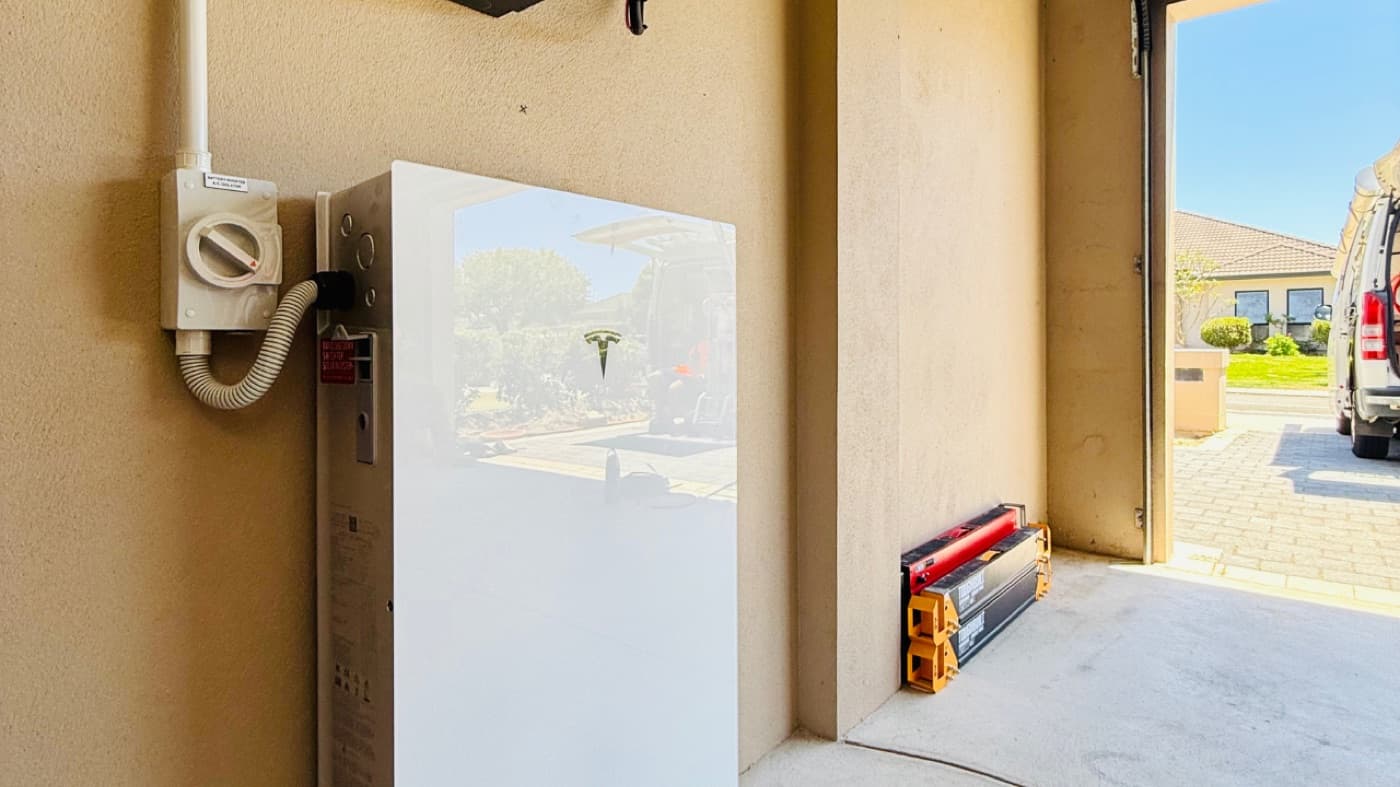
A grid-connected multiple-mode inverter can keep selected loads supplied when the network supply is unavailable. That backup function changes the installation's operating state, and the testing has to change with it. A normal grid-connected commissioning sequence is not enough.
Western Australia's Building and Energy division published a testing note after inspections from July 2025 identified critical defects associated with manufacturer instructions and with testing in alternative supply mode.
Two conditions can affect fault protection
The regulator's note focuses on two conditions:
- parallel multiple earthed neutral connections created by equipment or wiring
- loss of neutral continuity between the alternative supply neutral and the installation's MEN connection
Either can affect fault protection when the inverter changes operating mode. Testing must confirm the completed arrangement. It cannot assume the product's internal switching will produce the intended result.
Testing starts with the configuration, not the tester
Before any test runs, the electrician should establish four things:
- whether the inverter has combined or separate supplementary and alternative supply ports
- whether an external grid disconnection device is used
- which circuits remain supplied in backup mode
- the manufacturer-approved wiring and neutral arrangement for the Australian model
The installation manual and wiring diagram should match the exact product and firmware configuration being commissioned.
The critical tests happen in alternative supply mode
Building and Energy directs electricians to the inverter-specific requirements in AS/NZS 4777.1 section 8.3.3, alongside the mandatory verification requirements in AS/NZS 3000.
The published guidance names two tests: current injection testing for unintended neutral to earth connections, and testing that proves neutral continuity in alternative supply mode. The measurements should be recorded and retained.
Final and subcircuits supplied during backup operation need testing in that operating mode as well. The regulator specifically calls for RCD trip testing with an appropriate tester, rather than relying only on the device's test button. Backup circuits should be grouped and labelled, and the RCD type must meet the applicable standard and the manufacturer's requirement.
The paperwork is part of the test
The Notice of Completion must confirm that the required section 8.3.3 testing has been performed. Test reports and supporting documents should be attached through the existing eNotice fields.
Records worth keeping:
- test results and measured values
- the final wiring arrangement
- inverter and switching-device model details
- the manufacturer instructions used for commissioning
- notes explaining any return visit required to test backup operation with sufficient battery charge
The related WA battery installation safety article sets out the wider eNotice and record-keeping context.
Primary references
- Battery Energy Storage Systems guidance, Building and Energy (opens in a new tab)
- Grid Connected Multiple Mode Hybrid Inverters testing note (opens in a new tab)
- WA solar and battery compliance hub
This summary does not reproduce the Australian Standards. Electrical licence holders must work from the current standards, regulator guidance, network requirements and manufacturer instructions for the installation being tested.